It’s/its is also common mistake with non-native speakers.
The really obvious one is using of instead of instead of have. Would of. Should of. Could of. From would’ve, should’ve, could’ve. Non-native speakers will rarely if ever make that mistake.
Non-native speakers tend to make mistakes with “its” vs “it’s” because they learn that in English the rule for when to after a “subject” put an apostrophe followed by an “s” is when you’re talking about something that subject has, but this case is an exception to that rule since " it " followed " 's " stands for " it is " whilst talking about something that " it " has is written " its ".
I mean, you can memorize there’s an exception to the rule for this case, but if you’re not paying enough attention when writting it’s easy to make a mistake by unthinkingly following the rule as usual even though in this case it doesn’t apply, and even if you re-read the text to check if it’s alright, it’s easy to miss it because you kinda have the right meaning in your mind so you read what you meant to write rather than what you wrote plus they’re both valid forms so neither stands out as a spelling mistake even when misused.
You clearly aren’t from an “english is the third language” country. I would not write like that but also I didn’t notice the grammar errors until they were pointed out, my brain filtered them through.
I did intend to say that I filtered the grammatical errors through, meaning that my brain was reading the pure meaning. You said that I allowed the errors through unfiltered, which is incorrect in my interpretation of the sentence since that would imply I would not be able to parse the meaning correctly, having to deal with grammar mistakes.
Think about it, if you try to eat a porridge with chunks, you need to do extra effort processing the chunks through, hey spend time with them. But if you filter the chunks through, you can process the porridge faster. So no, your correction is incorrect actually, I meant what I said.
It’s not that deep though, which is why I said that it really doesn’t matter how you want to describe it.
PD: Also, the way you formed that sentence is annoying. Why don’t you explain the difference yourself instead of expecting others to do all the legwork in a conversation? You ask if I recognise THE difference, but there are many differences between those sentences in a given context, it depends on how you interpret it. It’s low key rude.


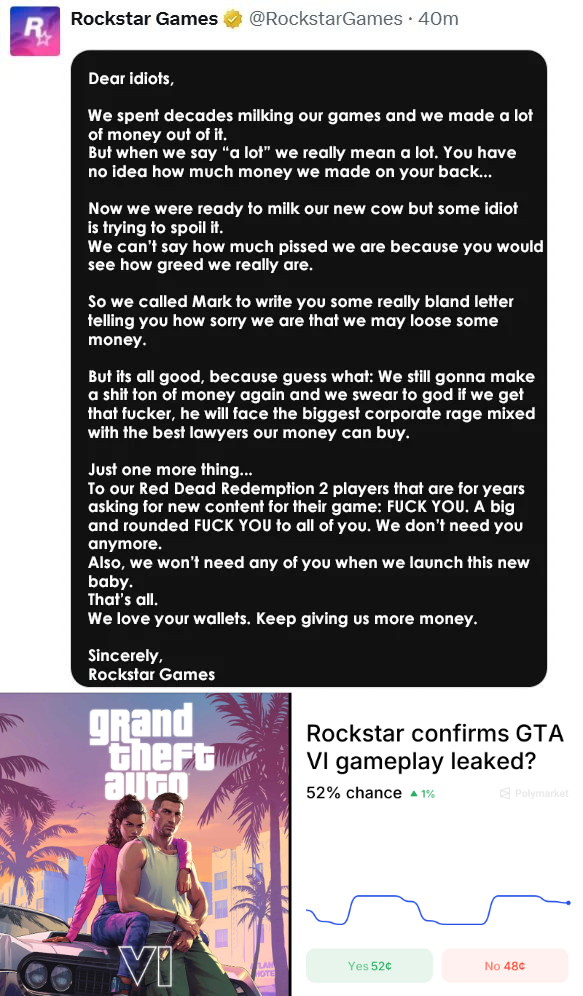
That’s the least of the grammatical problems in that post.
:eyetwitch:
Yeah, I just assumed that English wasn’t the writers first language.
There’s a lot of stuff where native speakers make more mistakes than people who learn the language later in life, though. Not just with English.
It’s vs. its is a classic, which is written very differently in many other languages. I suspect they mix them up less when they switch to English.
It’s/its is also common mistake with non-native speakers.
The really obvious one is using of instead of instead of have. Would of. Should of. Could of. From would’ve, should’ve, could’ve. Non-native speakers will rarely if ever make that mistake.
Oh, yes! That’s a much better example, thanks.
Non-native speakers tend to make mistakes with “its” vs “it’s” because they learn that in English the rule for when to after a “subject” put an apostrophe followed by an “s” is when you’re talking about something that subject has, but this case is an exception to that rule since " it " followed " 's " stands for " it is " whilst talking about something that " it " has is written " its ".
I mean, you can memorize there’s an exception to the rule for this case, but if you’re not paying enough attention when writting it’s easy to make a mistake by unthinkingly following the rule as usual even though in this case it doesn’t apply, and even if you re-read the text to check if it’s alright, it’s easy to miss it because you kinda have the right meaning in your mind so you read what you meant to write rather than what you wrote plus they’re both valid forms so neither stands out as a spelling mistake even when misused.
Also a lot of folks just won’t bother with’ especially on mobile
I only someone could invent some kind of computerised grammar checking utility. ;)
You clearly aren’t from an “english is the third language” country. I would not write like that but also I didn’t notice the grammar errors until they were pointed out, my brain filtered them through.
“filtered them through” < “allowed them through, unfiltered” 🙇🏼♂️
However you wanna describe it, the point is that we tend to look for the meaning behind the words because we are used to hearing badly spoken English.
You do recognize the difference, though, regardless of “however [I] wanna describe it”, yes? 😅
I did intend to say that I filtered the grammatical errors through, meaning that my brain was reading the pure meaning. You said that I allowed the errors through unfiltered, which is incorrect in my interpretation of the sentence since that would imply I would not be able to parse the meaning correctly, having to deal with grammar mistakes.
Think about it, if you try to eat a porridge with chunks, you need to do extra effort processing the chunks through, hey spend time with them. But if you filter the chunks through, you can process the porridge faster. So no, your correction is incorrect actually, I meant what I said.
It’s not that deep though, which is why I said that it really doesn’t matter how you want to describe it.
PD: Also, the way you formed that sentence is annoying. Why don’t you explain the difference yourself instead of expecting others to do all the legwork in a conversation? You ask if I recognise THE difference, but there are many differences between those sentences in a given context, it depends on how you interpret it. It’s low key rude.
You’re certainly allowed to feel your feelings, though they don’t change the simple fact that “filtering” by not filtering is literally impossible.
Also, the aforementioned difference is “lose” vs. “loose”, fellow anon. Try not to knot your knickers this time. 😅🙃
It reads like it’s written badly as a joke to me.
Hear me out:
Id rather see mistakes like this than
And not just bullets, but also other obvious signs of AI slop — emdash included.
Would you like me to-
:|
I dont usually bother typing apostrophes on mobile. Youll only see them from me when ive selected the recommended word while typing.
Ah, so you’re confidently part of the fucking problem, I guess. 🙄
Part of what probkem?
Ah, it’s worse than it seemed.
Ok, but it’s not that hard, bro.
I appreciate how someone can complain about AI-speak and immediately refuse to make their text readable by humans.
“Why would I make “ive” easier to read?”
Not a lot of reflection in this one.
Where did i refuse? Please quote it, because i dont recall anyone telling me they were struggling and requested me to.
I didn’t say it was hard, bro.
My comment was not a reading comprehension test, yet you failed.
Ah, so you’re just an arsehole. Bye.