

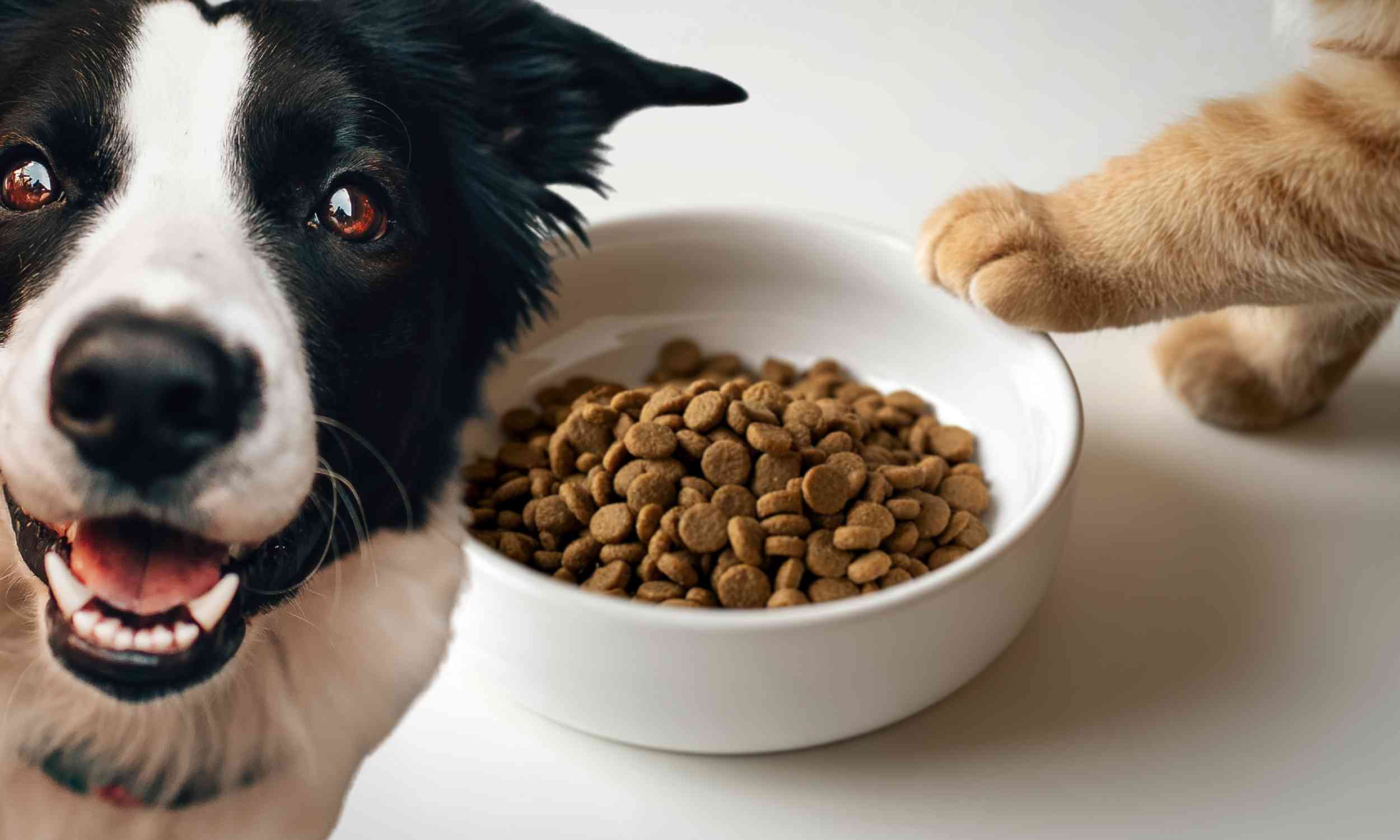
Scientists have found that widely sold dog and cat foods contain measurable levels of persistent industrial chemicals that accumulate through everyday feeding…
Industry has used PFAS, long-lasting fluorinated chemicals that resist breakdown, in coatings, packaging, and many water-repellent products.
Once they enter water or food, many PFAS stay intact and can collect in organs and blood over time.
For pets that eat similar meals every day, that persistence turns a trace contaminant into repeated exposure…
Fish-based formulas kept surfacing near the top, especially when labels pointed to whole fish, seafood, or fish byproducts.
That pattern matched what scientists already knew, because aquatic food webs can concentrate contaminants as smaller animals get eaten.
A review on human exposure found fish consumption was a major PFAS route long before this pet food survey…
When the team compared estimated intake with European safety benchmarks for people, several products crossed a warning line…
A daily bowl now looks less like a sealed consumer product and more like a map of wider environmental pollution.
That is why the next step is not alarm, but better testing of ingredients, clearer standards, and toxicology built for pets.