

From Chris-Lisa Thomison
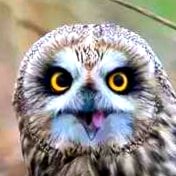
West Nile Virus can be deadly, so today we vaccinated our ambassador birds.
We never want to see our friends sick, so preventative measures must be taken.
Everyone was brave and will receive an extra mouse for cooperation.
And we did a check up on one of the Bald Eagles (Eugene).
He’s recovering from a coracoid injury and we are hopeful for release this summer!!!
Big thanks to Dr. Thom Haig and Mary Ellen for house calls.
The Coracoid:
The coracoid is a very important bone for a bird!
Mammals, including we humans, also have one, but it doesn’t do the same job for us.
Flying puts an extreme load on a bird’s body. All that air resistance is fighting against the bird’s body weight, plus any prey it may be carrying.
The coracoids (one at each shoulder) brace the shoulder to the keel (the big chest bone) and resist the forces of wing strokes. With a damaged coracoid, the lungs can be compressed by the sternum on one half of the stroke, and the humerus can impact the sternum on the other. That is a doubly painful combination!
This short video highlights the muscles for flight, and you can see the forces the coracoids need to withstand. (>2 min)
Thanks!
I am glad you enjoyed learning about it! I’ve seen tons of them from cooking chicken or turkey, but never paid it any mind as it was just another bone. We don’t have this bone, so of course it doesn’t really mean anything to us. It’s critical to the bird though, and it’s an amazing simple but effective piece of equipment!
Bird bones are really neat when you look at them from an evolutionary perspective. It’s readily apparent how as they transitioned from being terrestrial dinosaurs to modern birds how the bones changed along with them. Many bones got consolidated into simpler structures while others grow to withstand all the forces flight put on the body. While the thinking now is that archaeopteryx could indeed fly, they were still spending most of their time on land, while many modern birds can fly hundreds of miles.
As a duck owner, I am RIVETED.