

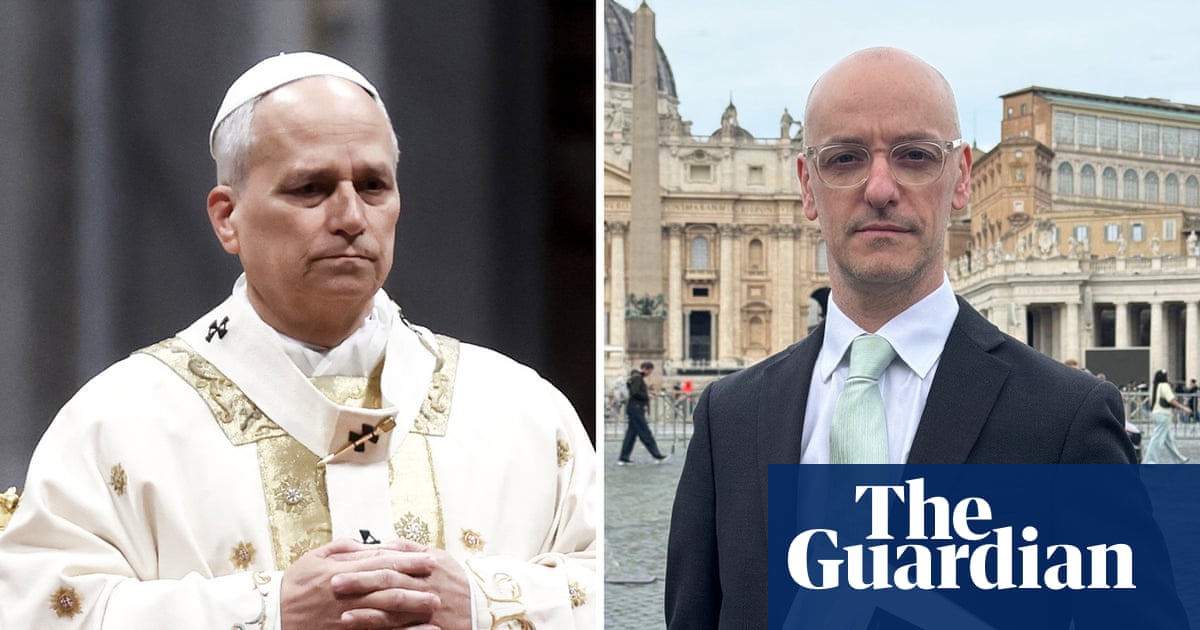
Gareth Gore was on a research trip to California earlier this year when he was told to expect a call from the Vatican arranging a one-on-one audience with the pope.
Gore was stunned. In 2024 he published the book Opus, a meticulously researched and gripping account of the abuses allegedly perpetrated by Opus Dei, the highly secretive Catholic group started by the Spanish priest Josemaría Escrivá in the 1920s. Over a century Opus Dei established itself as a deeply religious order that, they claim, helps ordinary people “love God and serve others through work well done, carried out with honesty and integrity”.
Gore’s book lays out claims the organisation is at the heart of a conspiracy involving child grooming, human trafficking, and psychological and emotional control, with former members saying the group used private confessions as leverage against members and drugged those under its sway – claims Opus Dei categorically denies. Gore reported that Opus Dei collaborated closely with the bloody dictatorship of Francisco Franco in Spain, before supporting rightwing causes around the world.
Gore laid much of the blame for these alleged abuses with the wider Catholic church, which relied on Opus Dei for financial support in the 1970s and in return gave it freedom to operate as a legitimate branch of Catholicism, but outside the Vatican’s normal structures. In 2002, Escrivá was made a saint after ferocious lobbying by Opus Dei, despite much protest from within the Vatican, as abuse allegations mounted and some Catholic leaders began to raise questions about the organisation.
Justice Scalia?