- 86 Posts
- 70 Comments



 42·2 days ago
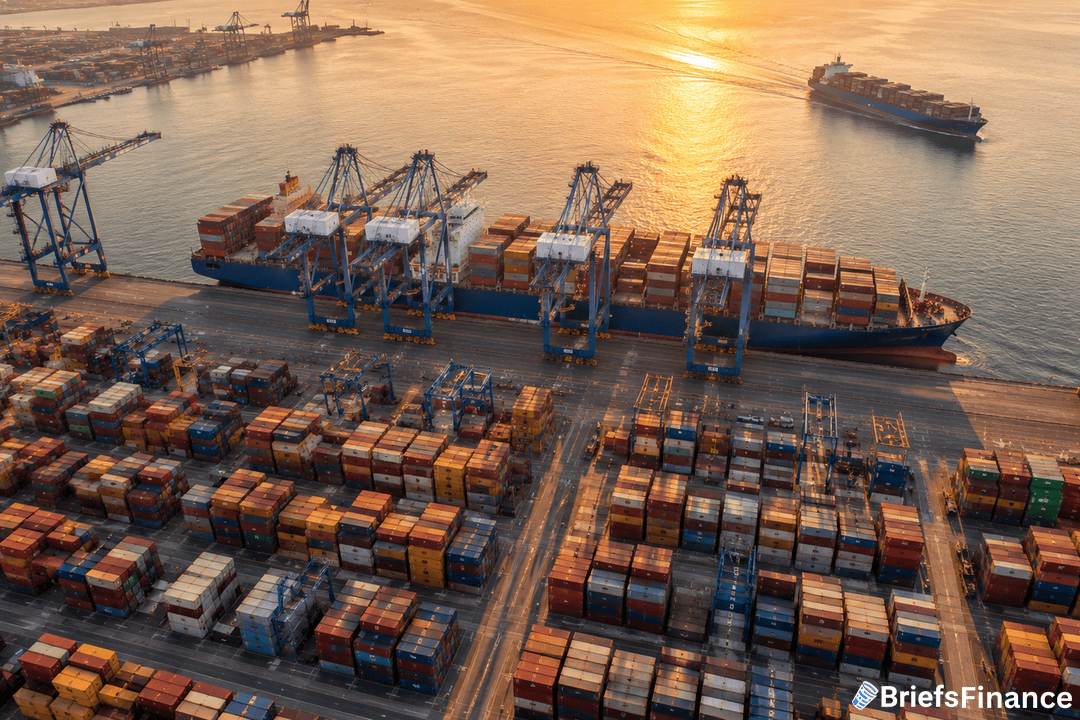
Canada is the 5th largest producer of natural gas, it produces roughly the same volume as Saudi Arabia, the sixth largest.
Iran, which is number 4, produces almost double the volume.
Canada natural gas production is a fraction of those in the top-3 producers, which are the United States, Russia, and China. The top-3 count for around 59% of the world’s natural gas production (Source).
Gas consumption grew in the three largest markets: in 2024, it rose by 1% in the USA – the largest gas consumer in the world (22%); in Russia (12% of global gas consumption), gas demand grew by over 6%; gas consumption also increased in China (+7%) supported by a higher demand from the power sector and by cheaper LNG prices. China now accounts for 11% of the global gas consumption, on par with Europe, whose gas consumption remained stable after two years of sharp decline (Source).
A forecast by the Asia Pacific Energy Research Centre (opens pdf) says, among others, that,
- natural gas production in the United States and China will keep increasing throughout this decade. After the 2030s, the future of natural gas production in the United States and Russia will depend on how decarbonization efforts affect demand for their natural gas exports, both through pipelines and as LNG.
- In China, natural gas production growth will continue to be driven by energy security goals [and] China and Southeast Asia will see continued natural gas demand growth beyond the 2030s and into 2050.
A friendly reminder that Canada joined a group of 60 states that committed themselves to phase-out fossil fuels. The U.S., Russia, and China refused to join this group.
 73·3 days ago
That’s not only security concern but also labour abuse. BYD’s Hungary plant is just another case among many:
The BYD factory being built in Szeged, Hungary, is facing scrutiny after reports of EU labour laws being violated among the Chinese migrant workforce.
As the article says,
Asked what conditions are like inside the site, a colleague [Chinese migrant worker] replies: “Nothing out of the ordinary, when you’re a migrant worker.” His supervisors are very strict and living conditions are “quite harsh”, he says
There are also environmental and health risks, as the article says,
Some people in [the Hungarian city of] Szeged feel as if there are too many unanswered questions about how the factory operates. Many were also concerned about health risks.
“The first thing that comes to my mind is infrastructure changes; as far as to what extent environmental factors will be respected, how will this affect us?” Zita, 55, tells the Guardian on the main street. “As a resident of Szeged, I feel that there was not enough information.”
Not to forget social issues,
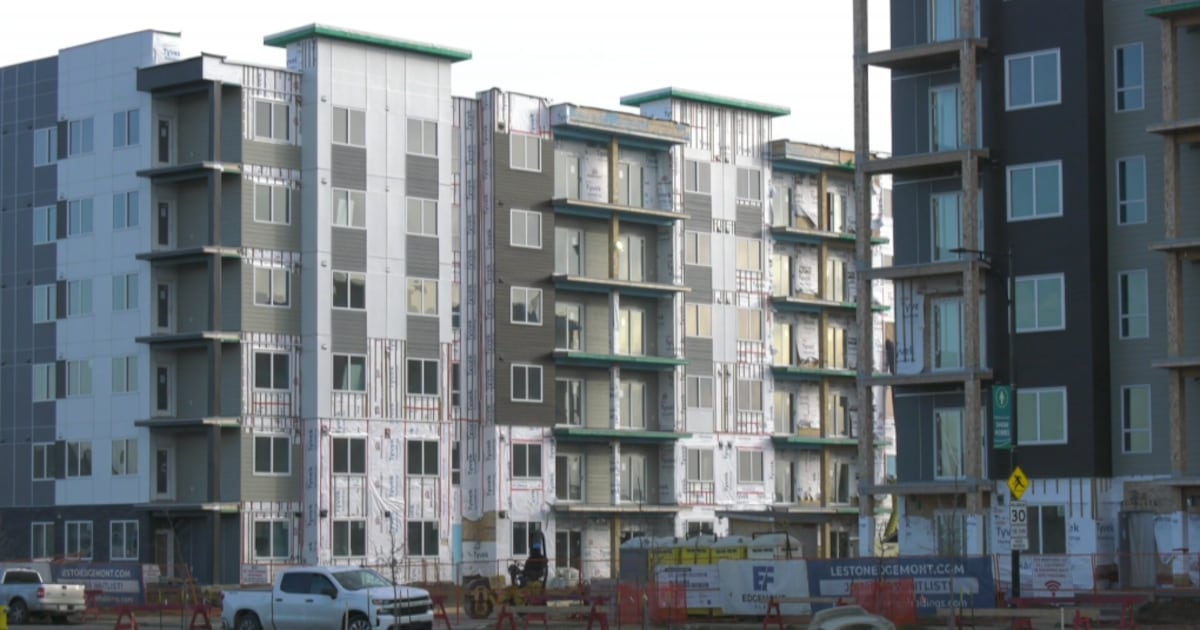
Questions remain about pressure on housing and the quality of accommodation for migrant workers. Workers in Szeged told CLW of multiple dormitory buildings on the BYD site, six of which were fully occupied with about 450 people each, with an additional 1,000 staff offsite, bringing the total number of workers to 4,000.
Some staff reported working seven days a week “for full monthly cycles except when heavy rain temporarily halted construction”.
As well as ‘debt bondage’,
Those recruited through subcontractors also told how they had to pay fees of between £860 and £2,100 for the job. Those hired directly by BYD paid no fees, it said.
“For workers coming from low-income regions in China, these fees may constitute a substantial debt bondage,” says CLW, which has called on Hungary to “strengthen inspections and enforce labour and migration laws” at the plant.
This is a tiny sample.
 85·3 days ago
That’s not only security concern but also labour abuse. BYD’s Hungary plant is just another case among many:
The BYD factory being built in Szeged, Hungary, is facing scrutiny after reports of EU labour laws being violated among the Chinese migrant workforce.
As the article says,
Asked what conditions are like inside the site, a colleague [Chinese migrant worker] replies: “Nothing out of the ordinary, when you’re a migrant worker.” His supervisors are very strict and living conditions are “quite harsh”, he says
There are also environmental and health risks, as the article says,
Some people in [the Hungarian city of] Szeged feel as if there are too many unanswered questions about how the factory operates. Many were also concerned about health risks.
“The first thing that comes to my mind is infrastructure changes; as far as to what extent environmental factors will be respected, how will this affect us?” Zita, 55, tells the Guardian on the main street. “As a resident of Szeged, I feel that there was not enough information.”
Not to forget social issues,
Questions remain about pressure on housing and the quality of accommodation for migrant workers. Workers in Szeged told CLW of multiple dormitory buildings on the BYD site, six of which were fully occupied with about 450 people each, with an additional 1,000 staff offsite, bringing the total number of workers to 4,000.
Some staff reported working seven days a week “for full monthly cycles except when heavy rain temporarily halted construction”.
As well as ‘debt bondage’,
Those recruited through subcontractors also told how they had to pay fees of between £860 and £2,100 for the job. Those hired directly by BYD paid no fees, it said.
“For workers coming from low-income regions in China, these fees may constitute a substantial debt bondage,” says CLW, which has called on Hungary to “strengthen inspections and enforce labour and migration laws” at the plant.
This is a tiny sample.
That’s not only security concern but also labour abuse. BYD’s Hungary plant is just another case among many:
The BYD factory being built in Szeged, Hungary, is facing scrutiny after reports of EU labour laws being violated among the Chinese migrant workforce.
As the article says,
Asked what conditions are like inside the site, a colleague [Chinese migrant worker] replies: “Nothing out of the ordinary, when you’re a migrant worker.” His supervisors are very strict and living conditions are “quite harsh”, he says
There are also environmental and health risks, as the article says,
Some people in [the Hungarian city of] Szeged feel as if there are too many unanswered questions about how the factory operates. Many were also concerned about health risks.
“The first thing that comes to my mind is infrastructure changes; as far as to what extent environmental factors will be respected, how will this affect us?” Zita, 55, tells the Guardian on the main street. “As a resident of Szeged, I feel that there was not enough information.”
Not to forget social issues,
Questions remain about pressure on housing and the quality of accommodation for migrant workers. Workers in Szeged told CLW of multiple dormitory buildings on the BYD site, six of which were fully occupied with about 450 people each, with an additional 1,000 staff offsite, bringing the total number of workers to 4,000.
Some staff reported working seven days a week “for full monthly cycles except when heavy rain temporarily halted construction”.
As well as ‘debt bondage’,
Those recruited through subcontractors also told how they had to pay fees of between £860 and £2,100 for the job. Those hired directly by BYD paid no fees, it said.
“For workers coming from low-income regions in China, these fees may constitute a substantial debt bondage,” says CLW, which has called on Hungary to “strengthen inspections and enforce labour and migration laws” at the plant.
This is a tiny sample.
Wumao with pro-China bias linked to right-wing U.S. media spreads propaganda in Canada.


With such news this entire Canada-China deal becomes more and more some sort of political satire imo.

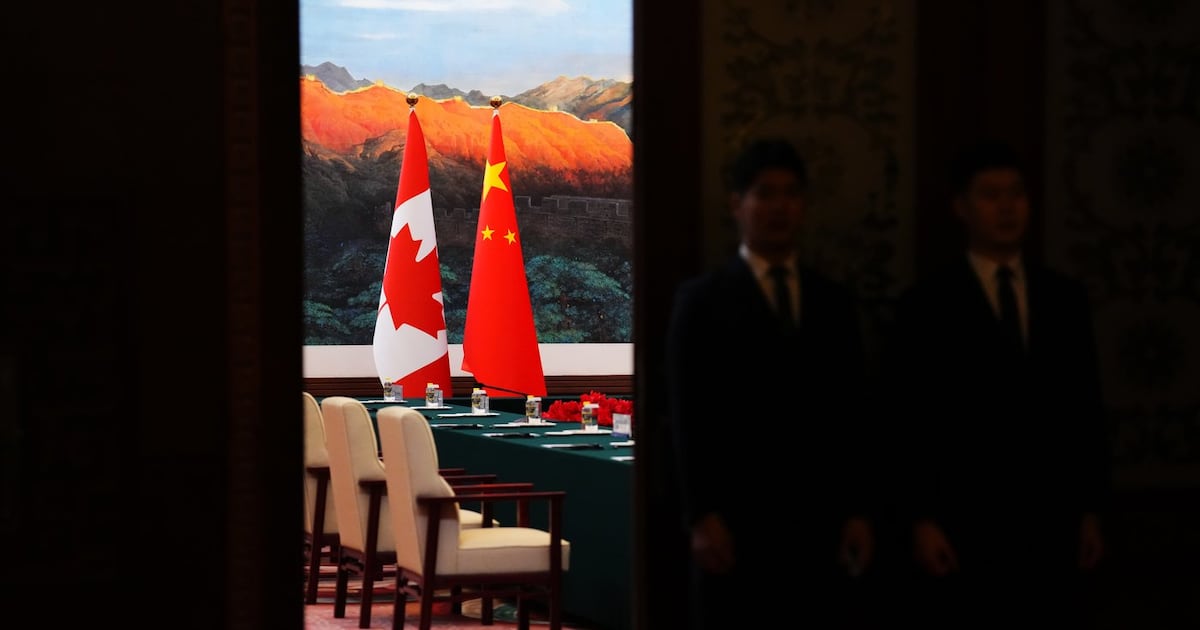
When asked what safeguards are in the new MOU that would prevent China from threatening and harassing Canadian residents, RCMP spokesperson Robin Percival said that “mutual respect for sovereignty is a foundational principle” of the agreement.
Mutual respect is a great principle, but Canada needs a different partner for this. (Mark Carney, who named China his country’s biggest security threat not long ago, knows this.)
Not that I think you are capable enough or would even try to understand, but I do not promote this nor any religion or cult. I know next to nothing about these things. But I don’t want China to determine what happens on Canadian soil. This is up to Canada.

The question is do they stick to their trade deals when we disagree on foreign policy.
No, they don’t. As seen literally everywhere in the world.
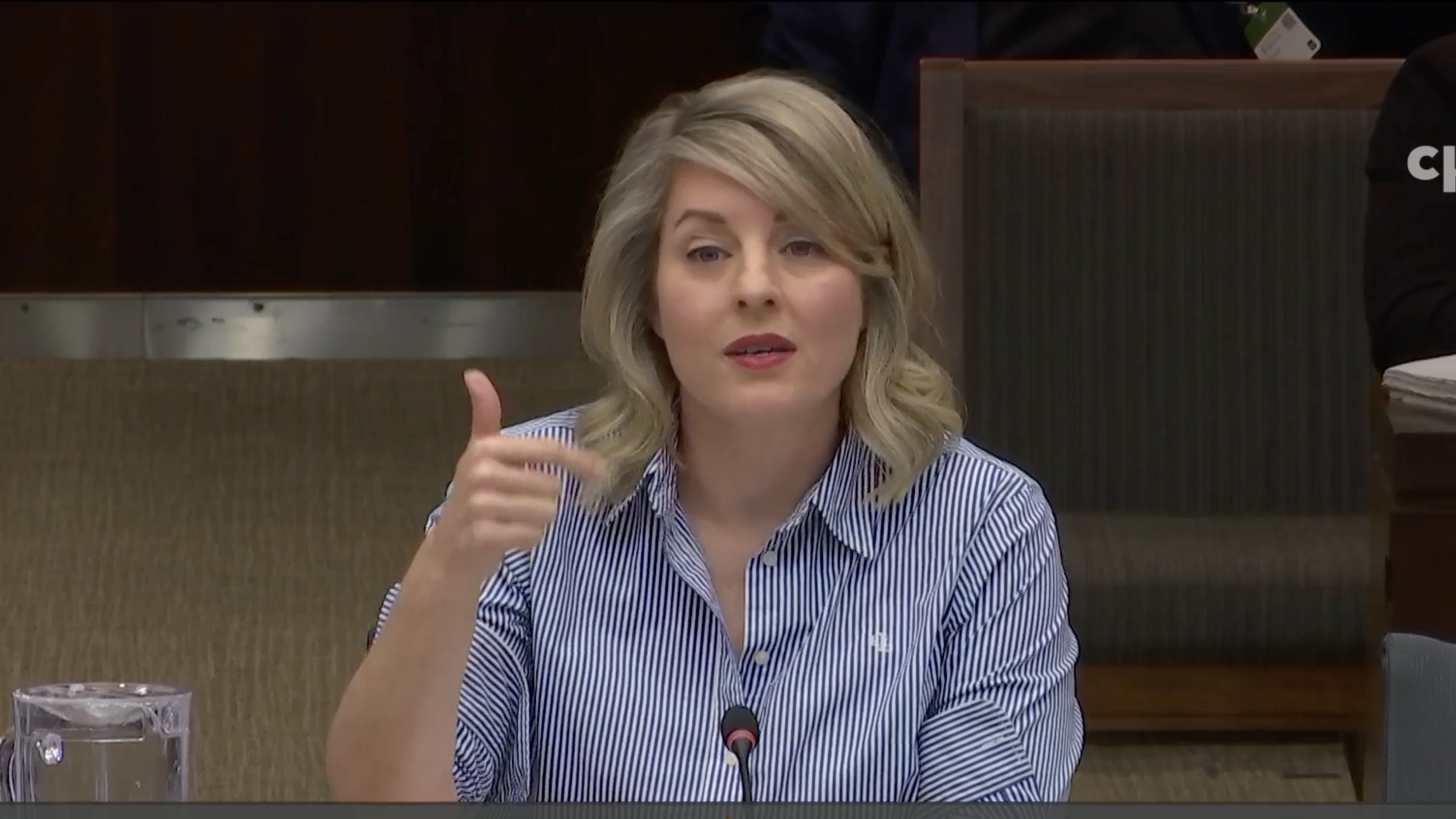
Oh, yeah, we do know where we stand. The Chinese envoy to Canada has already ‘warned’ Canada to send MPs to Taiwan, just to name an example. The coercion and bullying has already begun. China is a dictatorship and doesn’t care about agreements. It’s at least as unreliable as the U.S.
Yeah, but whatever the US thinks, China for sure isn’t a better partner, probably still even worse.


Oh, yeah, thanks for this. He handed over on January 20, 2021. That’s just another pseudo-intellectual garbage.
How would that ‘roundabout way’ have worked when military applications had already begun spiking in 2022, around the time of Russia’s invasion of Ukraine?
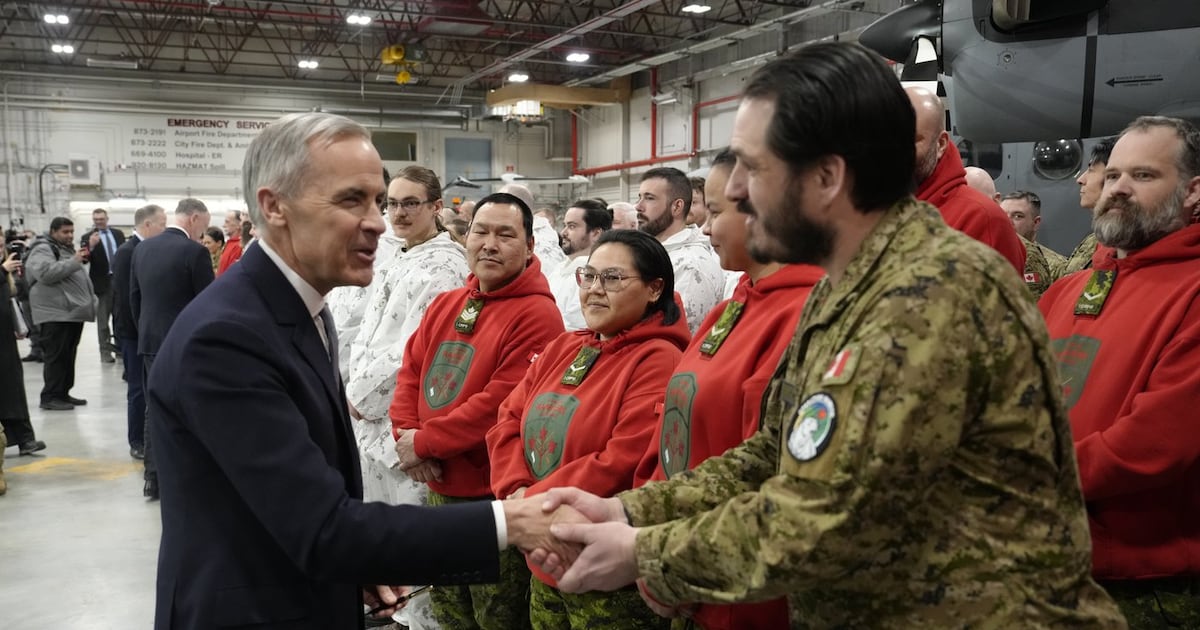
while there may be a “Trump effect” behind the recent rise in enlistment, military applications had already begun spiking in 2022, around the time of Russia’s invasion of Ukraine.

I was calculating the % change from December 2025 to the latest month.
Then it’s right. I stand corrected.
If China is a ‘strategic partner,’ then Canada should also be open to deeper integration with the US. Both are unreliable partners.
It’s a trade deal with an unreliable partner, as China shows once again.
I agree that the initial claim of 6.1% is wrong, at least I haven’t a source for that.
Nothing is perfect in Canada nor elsewhere, but I hope most will agree that it’s not the doomsday scenario that is often spread here in this community. This is not to say that many people suffer from hardship and we shouldn’t discuss improvements, but what goes on here is often just anti-Canada (or anti-Western and anti-democratic) propaganda, supposedly laying the ground to portray foreign autocracies as the better solution.
Just a small detail: Canada’s CPI in March is up 1.5 points (not percent), it increased to 167.40 points in March from 165.90 points February.
Yes, and we must note that bad actors are already waiting for this.
In 2024, U.S. officials urged U.S. citizens to use encrypted apps after China hacked into the ISP’s wiretap systems.
As the alert reads,
It’s unclear whether or not the surveillance is still ongoing.
And this is just one among many threats. I don’t understand why a government exposes its citizens to such a risk.
[Edit to insert link.]