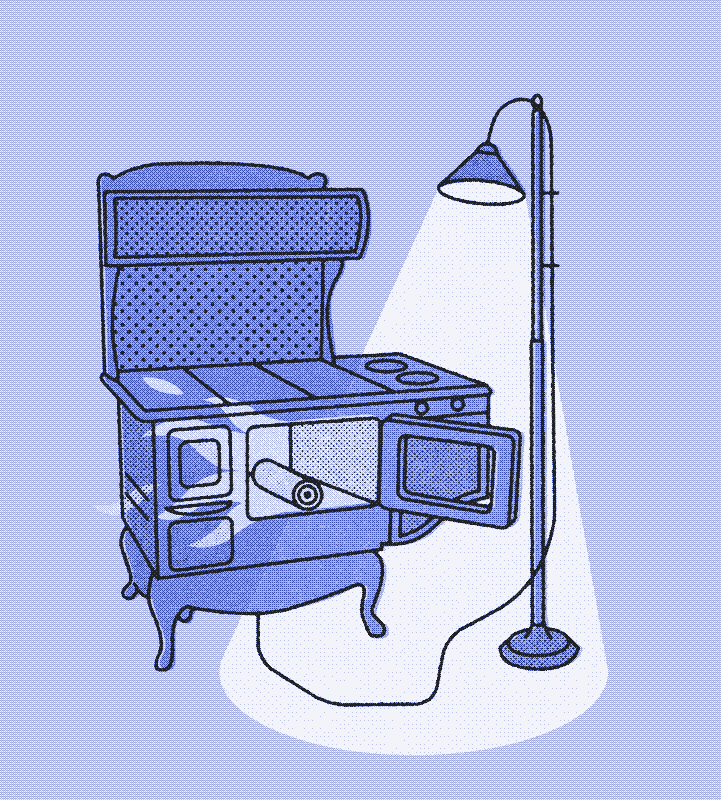
Wood stoves equipped with thermoelectric generators can produce electricity that is more sustainable, more reliable, and less costly than power from solar PV panels.
Found this on the lowtech magazine. What are your toughts?
How well would these perform if they were placed inside an exterior wall of a climate controlled space? Say there’s a 30°F difference between the outside space and the inside space.
If you’re using electricity for that climate control, then that would be a waste of energy. I think the main appeal here is for places where wood is already burned for cooking and water heating. I imagine it could be a nice way to generate a bit of electricity during cold and dark winters when the sun isn’t shining all that much.
Edit: I have no clue why that one downvote came, but I guess I could elaborate on why it would be a waste of energy: The TEGs generate electricity from the movement of thermal energy from one side to the other. The article states their efficiency to be about 5-6%. That means that of the heat coming in from the outside, about that much is turned into electric power. The rest just heats up your indoors and the AC will have to work that much harder. The exact same goes if the outside is cold and inside is hot. It cools down the indoors and the AC will have to work that much harder. They can be practical in certain situations, when there’s lots of thermal energy but little electricity, like when wood is being burned. Burn a little more wood to get a bit of electricity. I’m sure there’s situations like what I described above where that tradeoff would be beneficial.
The article mentioned designs that negate the need for chimneys but I wonder if that’s a place where mounting it (sort of) through a wall could work - the flue/exhaust in a chimney is generally extremely hot (likely too hot?) and any heat in the chimney is just waste about to escape through the top anyways. If you could mount one of these through an exterior part of a chimney you’d have below freezing winter air on one side and like 400 degree heat on the other. I suspect that’s the sort of thing you’d have to build in from the start as conventional chimneys probably don’t like the kind of uneven heat a hole through the side would produce.


How well would these perform if they were placed inside an exterior wall of a climate controlled space? Say there’s a 30°F difference between the outside space and the inside space.
Based on this test, a small temperature difference like that would likely produce less than 0.01 watt of power per module.
They appear to require very drastic temperature differences to produce any meaningful power.
If you’re using electricity for that climate control, then that would be a waste of energy. I think the main appeal here is for places where wood is already burned for cooking and water heating. I imagine it could be a nice way to generate a bit of electricity during cold and dark winters when the sun isn’t shining all that much.
Edit: I have no clue why that one downvote came, but I guess I could elaborate on why it would be a waste of energy: The TEGs generate electricity from the movement of thermal energy from one side to the other. The article states their efficiency to be about 5-6%. That means that of the heat coming in from the outside, about that much is turned into electric power. The rest just heats up your indoors and the AC will have to work that much harder. The exact same goes if the outside is cold and inside is hot. It cools down the indoors and the AC will have to work that much harder. They can be practical in certain situations, when there’s lots of thermal energy but little electricity, like when wood is being burned. Burn a little more wood to get a bit of electricity. I’m sure there’s situations like what I described above where that tradeoff would be beneficial.
The article mentioned designs that negate the need for chimneys but I wonder if that’s a place where mounting it (sort of) through a wall could work - the flue/exhaust in a chimney is generally extremely hot (likely too hot?) and any heat in the chimney is just waste about to escape through the top anyways. If you could mount one of these through an exterior part of a chimney you’d have below freezing winter air on one side and like 400 degree heat on the other. I suspect that’s the sort of thing you’d have to build in from the start as conventional chimneys probably don’t like the kind of uneven heat a hole through the side would produce.
Ah so you’re saying these things transmit heat and generate electricity in the process?