TL; DR: ICE murders at will.
and let’s not forget Renee Good’s murderer pulled out his phone to record himself doing it. these goons want us to know this is what they’re doing. cameras can’t provide accountability, only propaganda
The take away is if ICE says they don’t have body cam footage, that means they were clearly in the wrong and the footage shows that.
Any and every time they make a claim without footage, it’s because they’re lying.
That could (most likely will) be argued in court at some point.
That’s ok, we’ll just film you and dox you and… well. I leave it there for now, but you can fill in the blanks from that point.
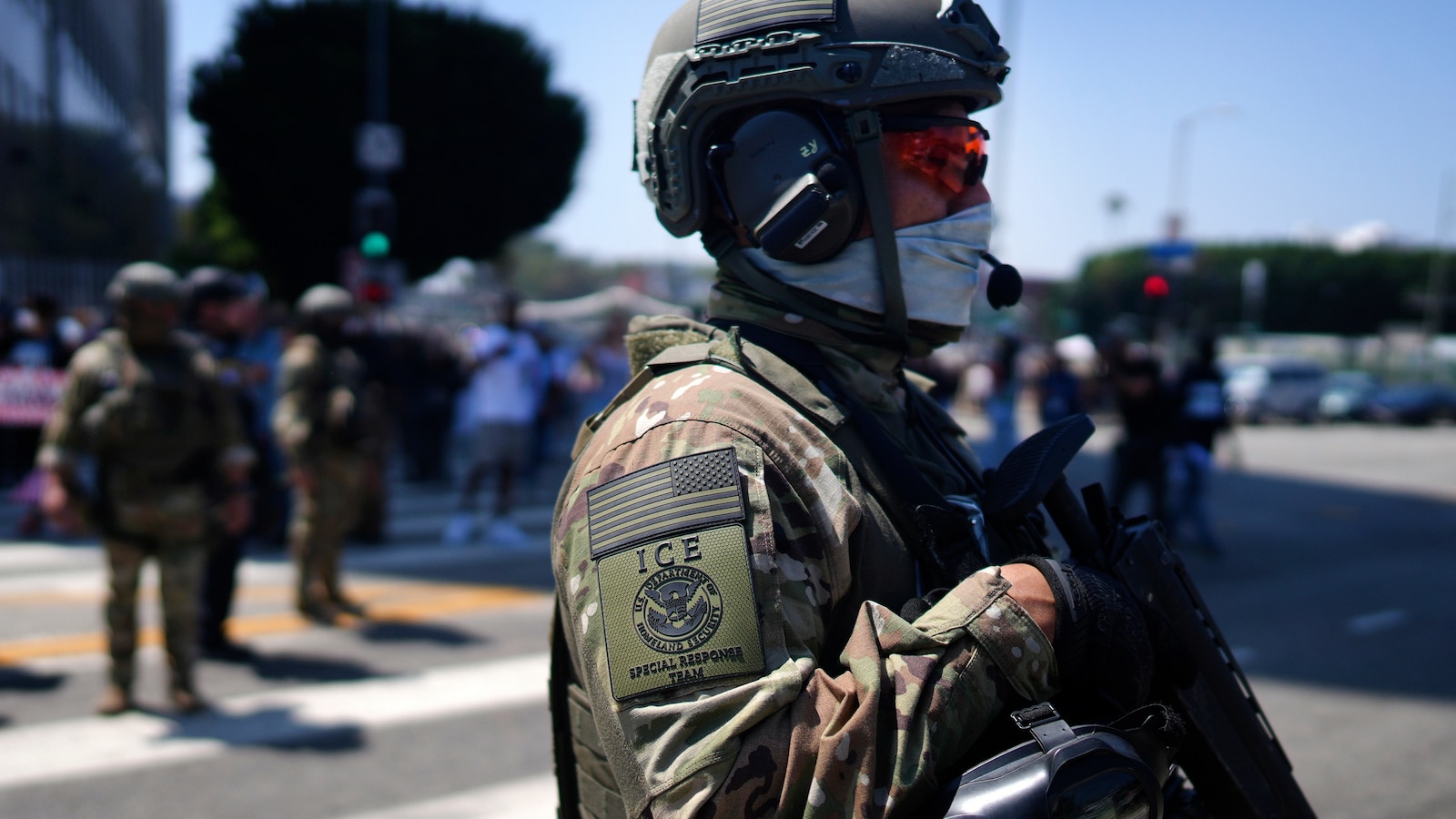
Immigration and Customs Enforcement is moving to equip officers with body cameras in the next two months but the public should not expect to quickly see footage of every critical incident
Immigration and Customs Enforcement is moving to equip officers with body cameras in the next two months but the agency’s policy gives it broad control over what footage will be made public by specifying any releases must be in its “best interests.”
After years of delays, ICE said its field officers nationwide will have body-worn cameras by the end of September. The rollout comes after recent fatal shootings by officers enforcing President Donald Trump’s immigration crackdown have intensified pressure for accountability that the cameras could provide.
But the agency’s body-worn camera policy could mean taxpayers who are pitching in tens of millions of dollars to pay for the cameras may be kept in the dark about some high-profile confrontations, at least in their immediate aftermath.
The policy says ICE will promptly release video of shootings and other encounters in which its agents cause death or serious injury only after determining “it is in the best interests of the agency” to do so. That gives its director discretion to release recordings that reflect well on the agency’s image while working to keep others secret, experts on body camera policies said.
Such selective releases are routine in some law enforcement agencies but usually not so clearly contemplated in policy, according to professor Christopher Schneider of Brandon University in Canada, a co-author of the new book “Police Body-Worn Cameras: Media and the New Discourse of Police Reform.”
“In some ways, ICE is saying the quiet part out loud,” he said. “Body-worn cameras are being used as contemporary image-work tools to present the police to the public in the most favorable way possible.”
…
Even when footage is released, ICE’s policy will require the redaction of all officers’ identifying features such as their faces, names and badge numbers to preserve their privacy.
Schneider, who has studied body cameras since their use began spreading a decade ago, said he does not expect ICE to release footage of fatal shootings like those last month in Houston and Maine.
He noted ICE’s sister agency, Customs and Border Protection, has not released footage of the January shooting of Alex Pretti in Minneapolis even though it was captured on agents’ cameras. CBP Commissioner Rodney Scott told lawmakers in February that the video and other materials were under investigation and would be made public “when it’s appropriate.”
ICE spent $30.9 million in July to purchase body camera equipment from Axon, the Arizona-based company that also manufactures Tasers, federal spending records show.
The spending began one day after the fatal shooting of a 25-year-old motorist in Maine by an ICE officer with a history of violent behavior. Days earlier, another ICE officer shot and killed a homebuilder in Houston who was driving to work.
Neither shooting was recorded with body cameras. That news angered members of Congress, who had given ICE $20 million to purchase body cameras in a bill passed to end a partial government shutdown on April 30.
…
Schneider said he expects ICE to release recordings that promote the agency’s mass deportation program by portraying officers as brave and immigrants as dangerous criminals.
“Much of what law enforcement does is convince the public that we need them and feel safe and they do all this good stuff for us,” he said. “The more bad stuff the public sees, the more angry the public gets. And this causes problems for the police brand.”